Each Programme, Explained
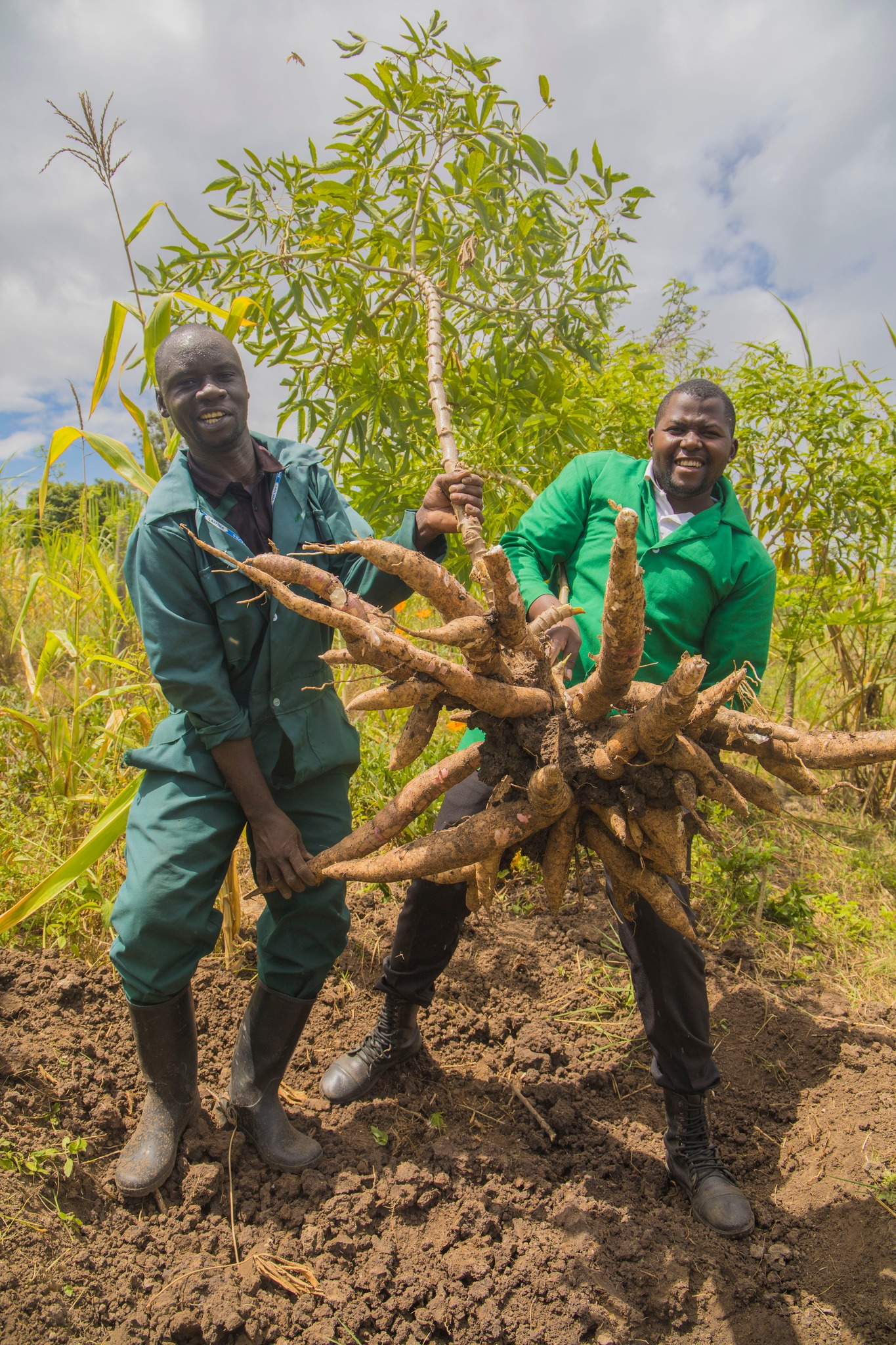
Food Security & Biointensive Farming Programme
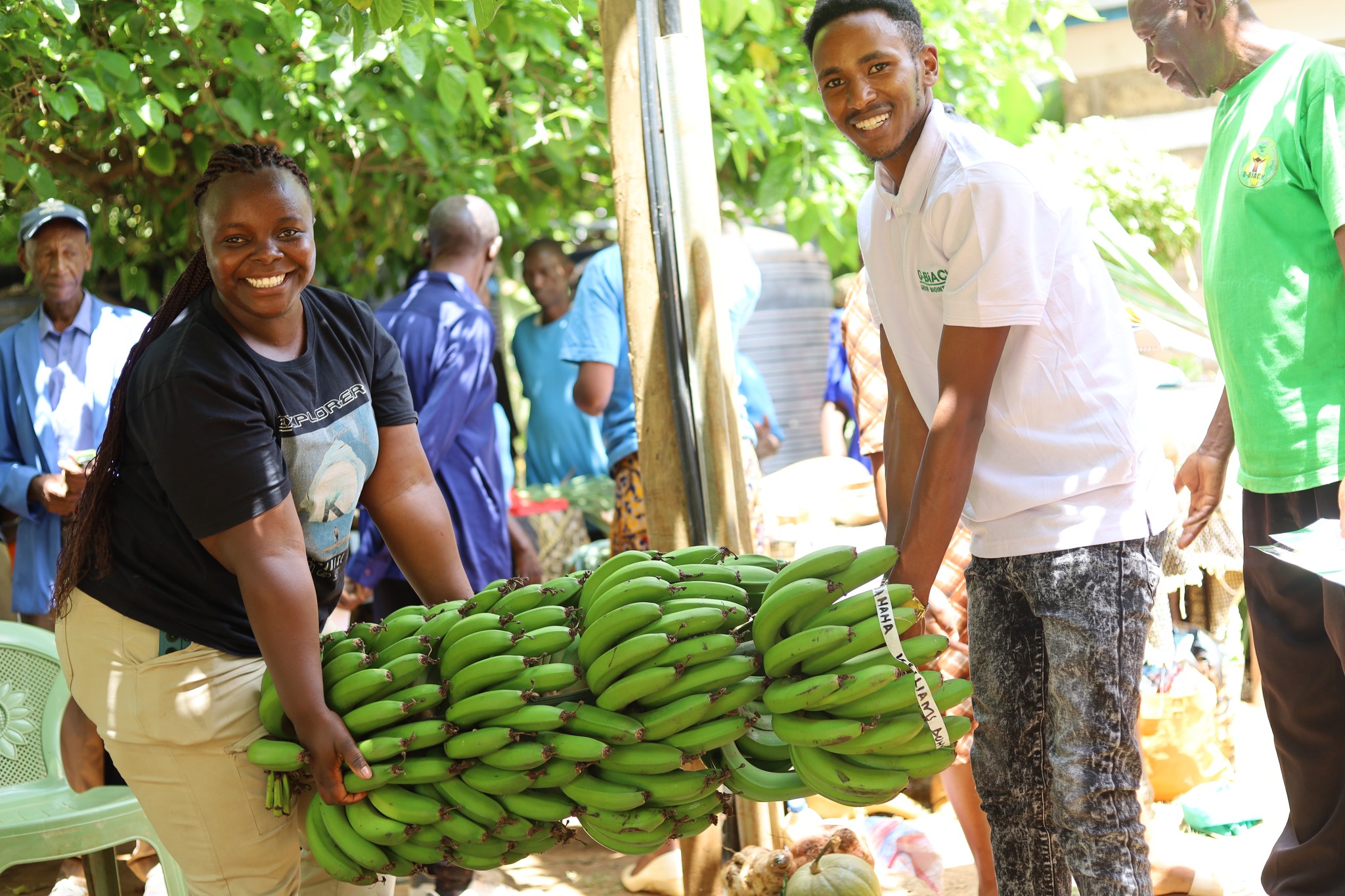
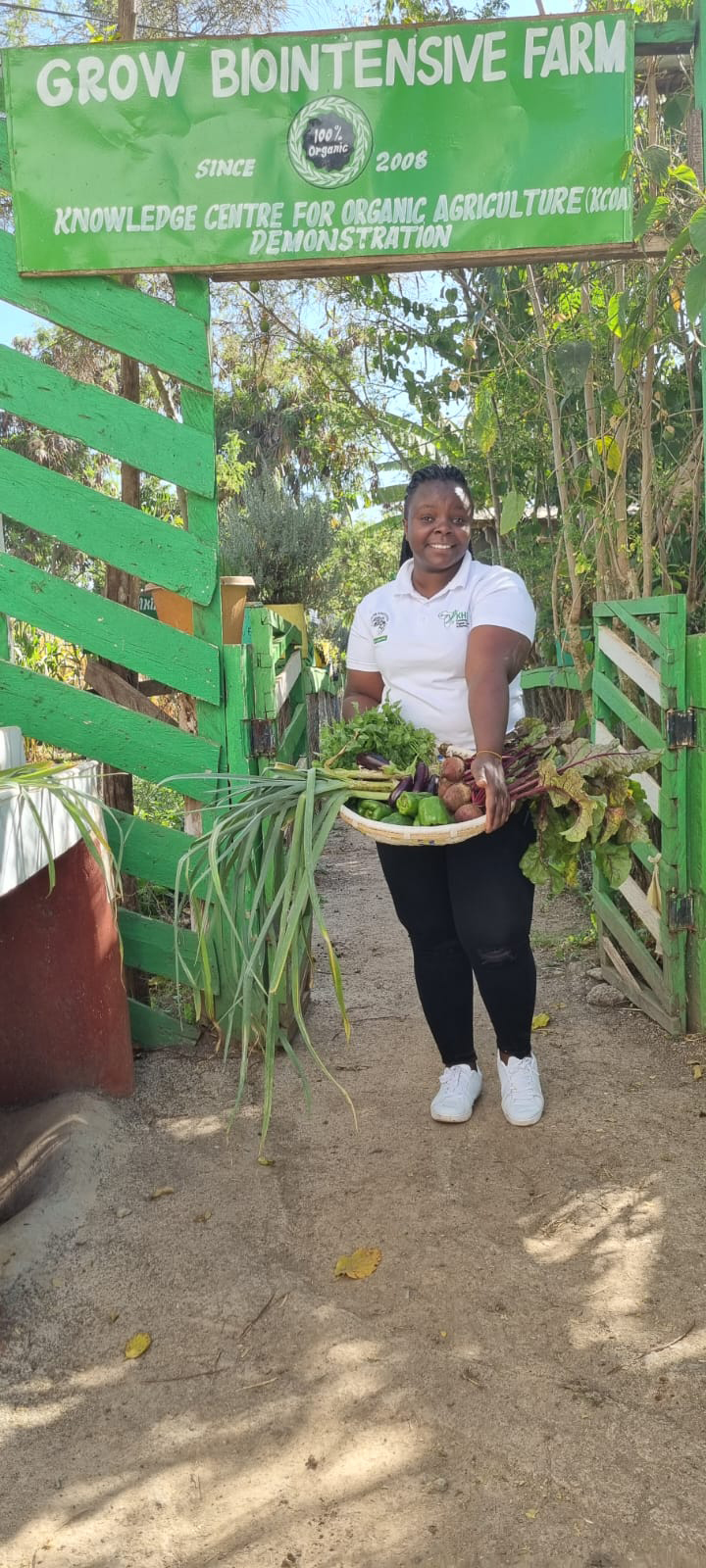
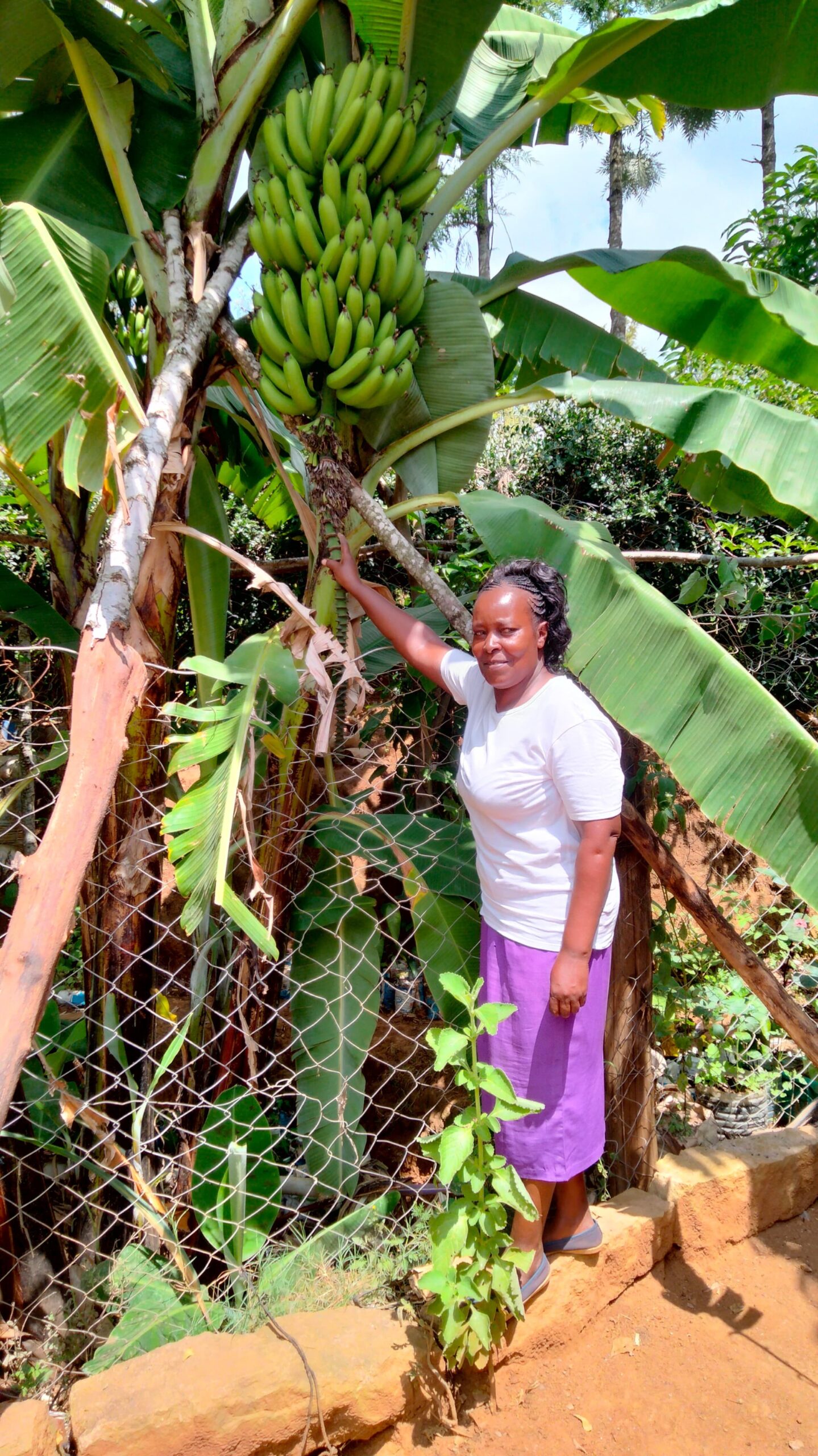
This core programme trains smallholder farmers in the 8 Essential Elements of GROW BIOINTENSIVE agriculture — enabling them to produce 2 to 6 times more food per square metre using only locally available resources, zero chemicals, and significantly less water than conventional farming.
Training takes place both at the G-BiACK campus in Thika and through community outreach across Central, Eastern and Nairobi Counties. Trainees receive hands-on practical instruction in double-digging, composting, seed saving and bed management.
Seed Sovereignty & Conservation Programme
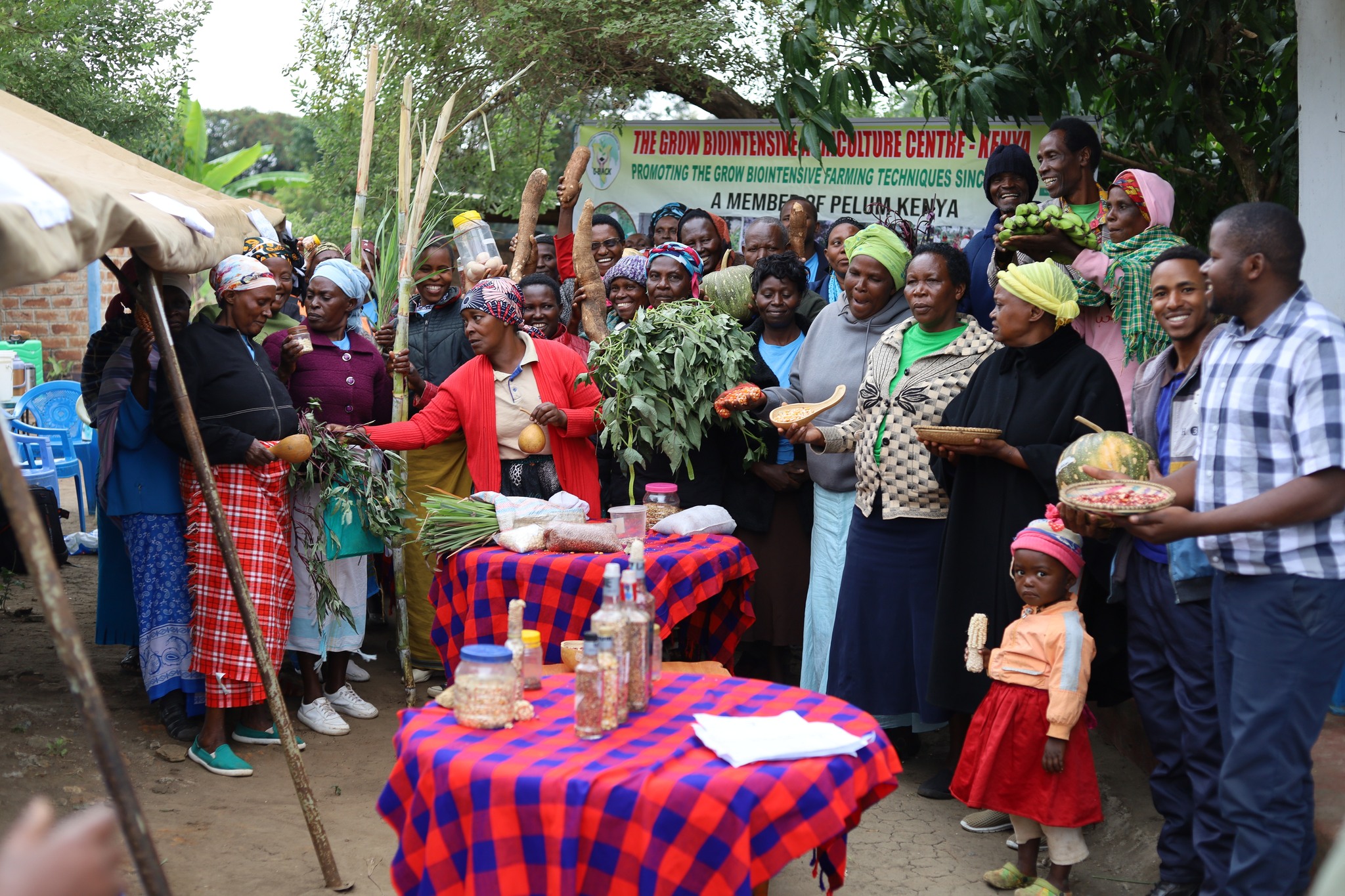
G-BiACK champions the fundamental right of farmers to save, use, exchange and control their own seeds. Our seed sovereignty programme establishes community seed banks, trains farmers in seed selection, cleaning and storage, and preserves indigenous varieties at risk of being lost.
The programme is at the heart of the annual Mbegu Yetu Forum, where seed savers from across Kenya come together to exchange varieties, share knowledge and celebrate agricultural heritage.

Environmental Restoration Programme
G-BiACK’s campus includes an active tree nursery with avocado and other indigenous species. The environmental programme trains communities in tree planting, rainwater harvesting structures, biogas installation, energy-saving cook stoves, and solar systems — reducing deforestation and household energy costs.
Women & Youth Empowerment Programme
G-BiACK believes that sustainable development must place women and youth at the centre. This programme builds economic independence through practical skills training using the centre’s 10 sewing machines, pottery workshops using local clay, basket weaving and agri-business development.
As Samuel says: “Women are much more vulnerable to poverty. Here we have programmes to help the women through training in agricultural techniques and other trades.”